
Call for Proposals:
Inaugural Ming Fay Research Fellowship 2027
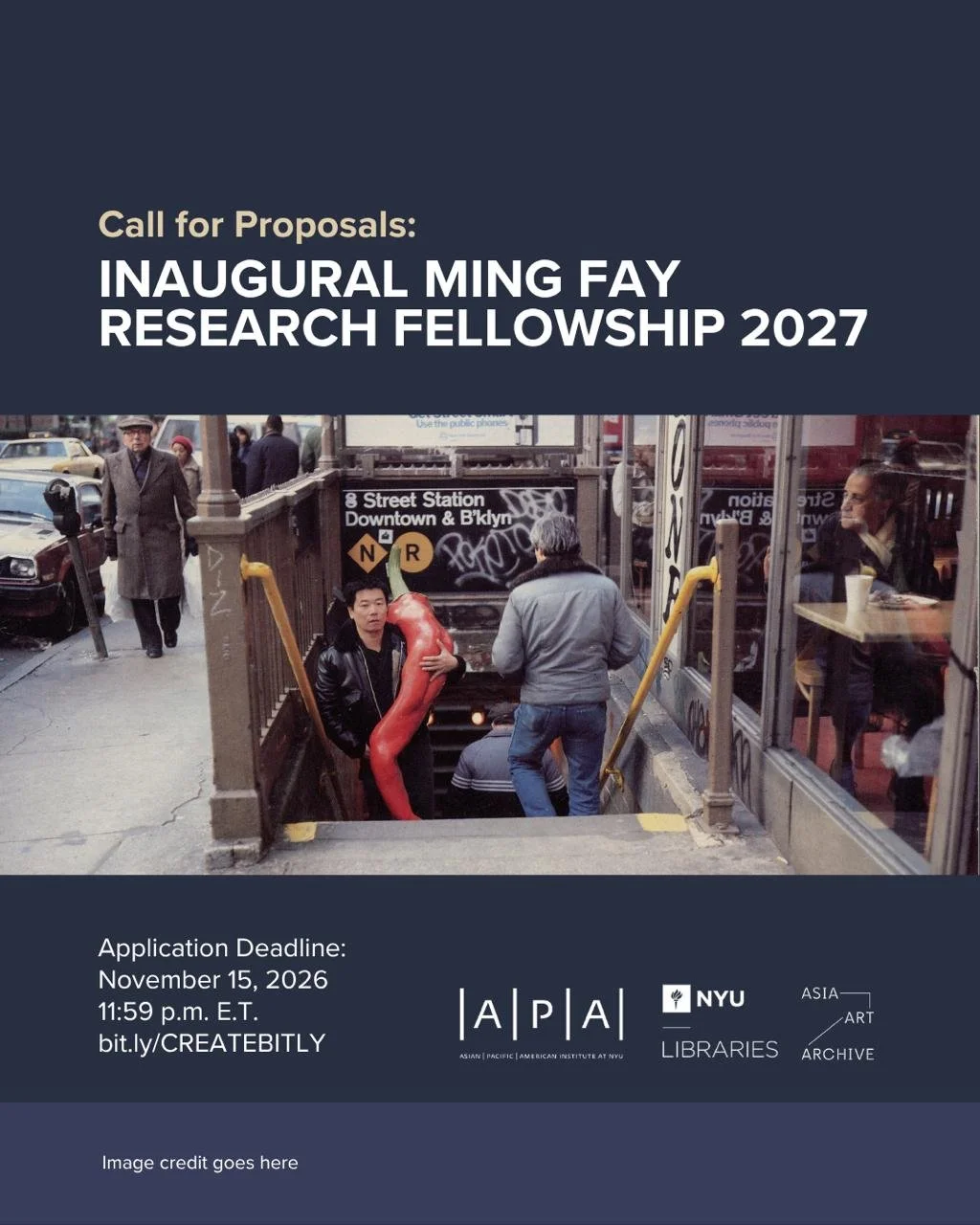
Application Deadline: Sunday, November 15, 2026, 11:59 p.m. ET
Notification of Awards: Tuesday, December 15, 2026
Fellowship Period: Monday, February 1–Friday, December 10, 2027
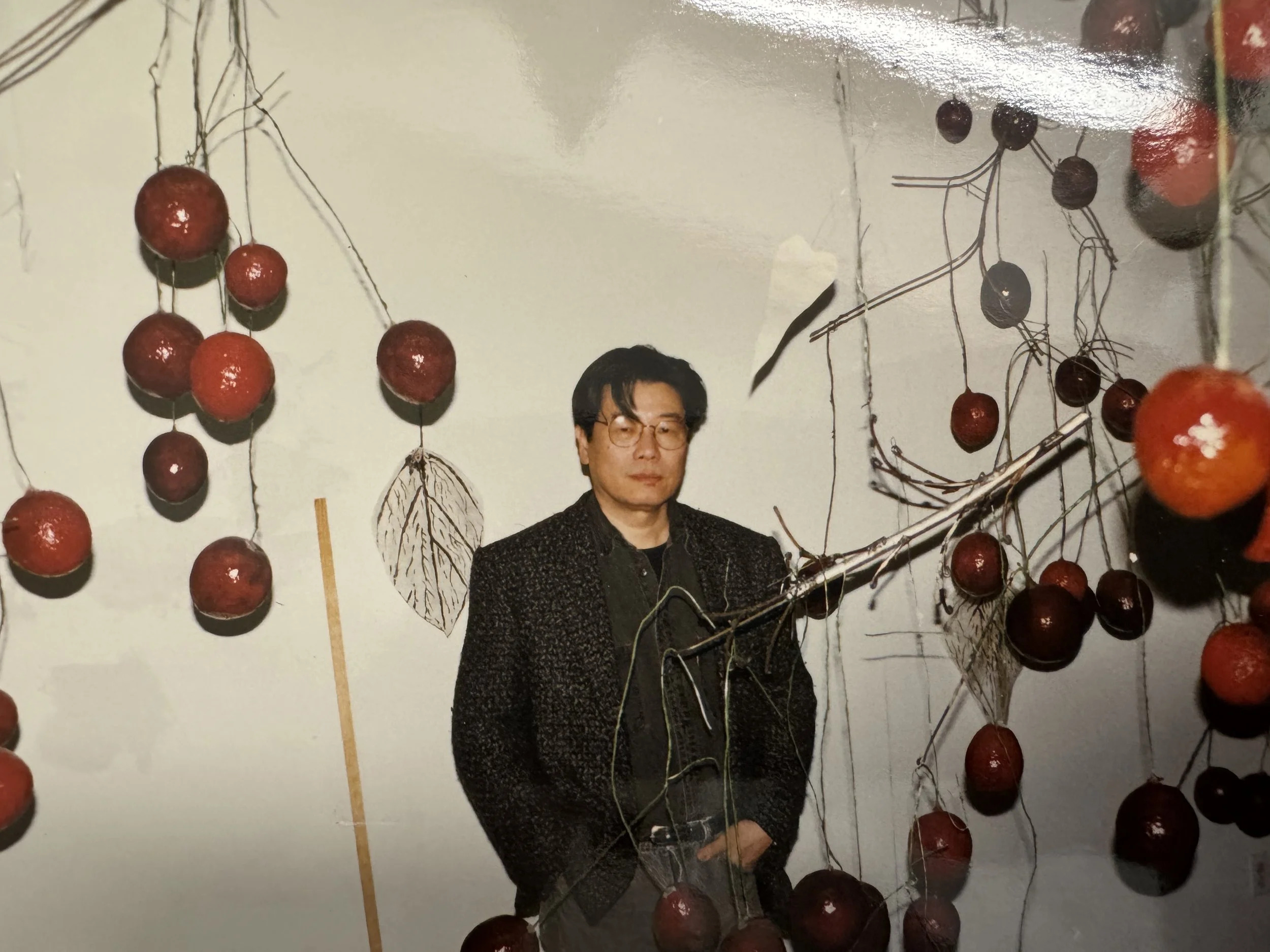
The Inaugural Ming Fay Research Fellowship supports the production of original, archives-based scholarship on Ming Fay (1943–2025), whose multidisciplinary practice bridged sculpture, drawing, installation, ecology, and transnational cultural histories.
Born in Shanghai and raised in Hong Kong, Fay settled in New York in the early 1970s and became part of the downtown art milieu. He co-founded the Epoxy Art Group (1982–92), an Asian American artist collective that fostered alternative exhibition platforms and critical dialogue. While interest in Ming Fay's work has grown through exhibitions at institutions in recent years, scholarship on his practice remains limited.This fellowship supports research conducted within the Ming Fay Papers at New York University, related holdings at Asia Art Archive, and materials housed at the Ming Fay Studio / Estate to support the development of work that contributes to the study of Ming Fay’s practice and its broader historical, cultural, and artistic contexts.
Proposals may address, but are not limited to: ecology and environmental thought; transnational identity and migration; Asian diasporic histories; material experimentation and sculptural practice; intersections of art, science, and spirituality; Downtown New York art networks and artist collectives; and public art and site-specific installations.
Grants will be made at one of two levels described below, ranging between $2,500 and $10,000. Research must be conducted between February 1–December 10, 2027.
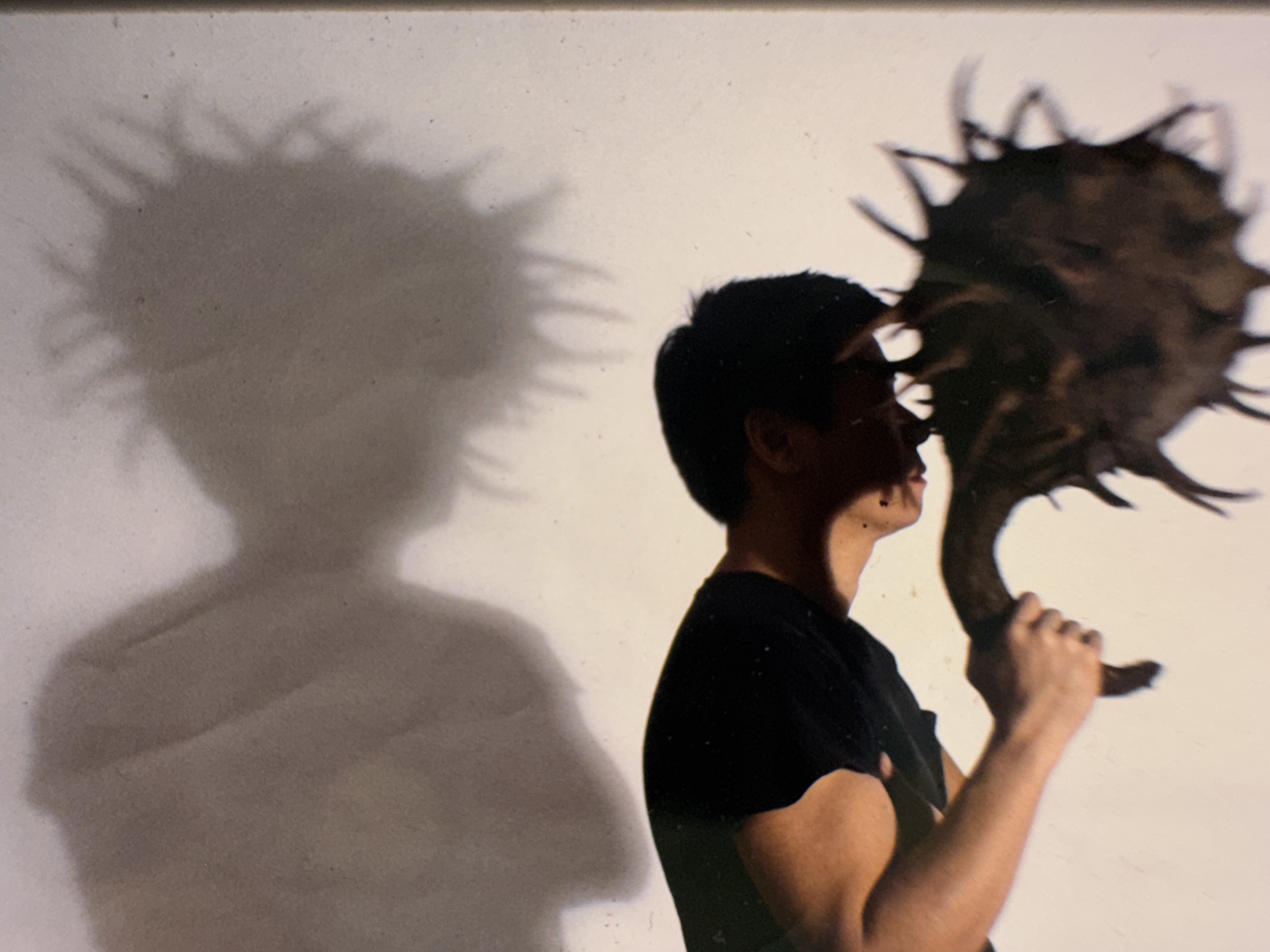
Fellowship Tracks
Senior Research Fellowship
Eligibility: Professors, established independent scholars, curators, postdoctoral researchers, and advanced PhD candidates
Grant amount: Up to $10,000, based on the proposed budget and demonstrated research needs
Supports sustained archival research across all partner institutions. Fellows are expected to produce a work of original scholarship that advances critical discourse on Ming Fay’s practice.
Final projects should be developed to a stage suitable for publication, academic dissemination, or inclusion in a larger scholarly project, and may include an article for submission to a peer-reviewed journal (approximately 6,000–10,000 words), book or dissertation chapter, or critical essay for publication in a museum, academic, or arts publication.
Exploratory Research Fellowship
Eligibility: Master’s students, early PhD students, emerging scholars, artists, and curators
Amount: Up to $5,000, based on the proposed budget and demonstrated research needs
Supports short-term research requiring access to the Ming Fay Papers.
Fellows are expected to produce a research project demonstrating sustained engagement with the archival materials and contributing new perspectives on Ming Fay’s work and related fields of inquiry. Projects may include a research paper, report, dissertation chapter, or essay.
Deliverables and Reporting
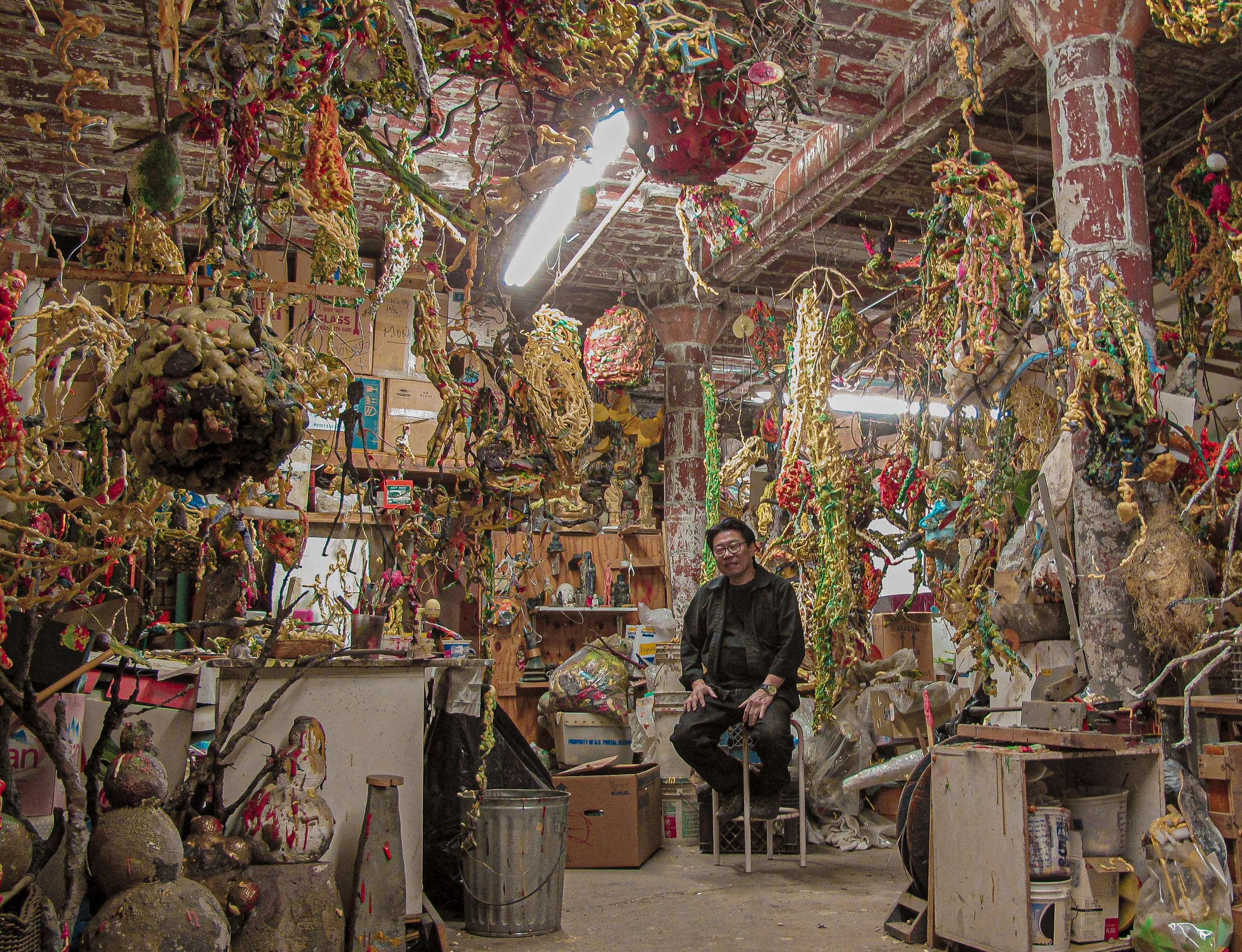
All fellows are expected to produce original research grounded in archival materials and must submit (via email to apa.archives@nyu.edu) the following deliverables by Jan ?, 2028:
Final research project appropriate to the fellowship track as outlined above
Brief report (2–3 pages) summarizing research activities, archival engagement, and outcomes
Funding
Funding is intended to support direct research and publication-related costs associated with archival engagement with the Ming Fay Papers.
Eligible expenses, which must be incurred between the notification of the award and December 10, 2027, may include: travel to and from New York; temporary housing and local transportation during fellowship research travel; translation services; research materials, documentation, or technical support; and expenses associated with preparing research for publication, including permissions and image preparation.
The Selection Committee will determine final award amounts based on the strength of the proposal, feasibility, and available resources.
Institutional Support
Fellows will receive:
On-site archival access at NYU Fales Library & Special Collections
Research consultation with archival staff
Digital access to relevant holdings at Asia Art Archive
Research access at the Ming Fay Studio / Estate (as appropriate)
Eligibility for appointment as a Visiting Scholar or Research Affiliate at NYU, as appropriate and subject to university procedures
Selected fellows will coordinate research visits with NYU Fales Library & Special Collections, the Asian/Pacific/American Institute at NYU, and the Ming Fay Studio / Estate to ensure archival access and institutional support.
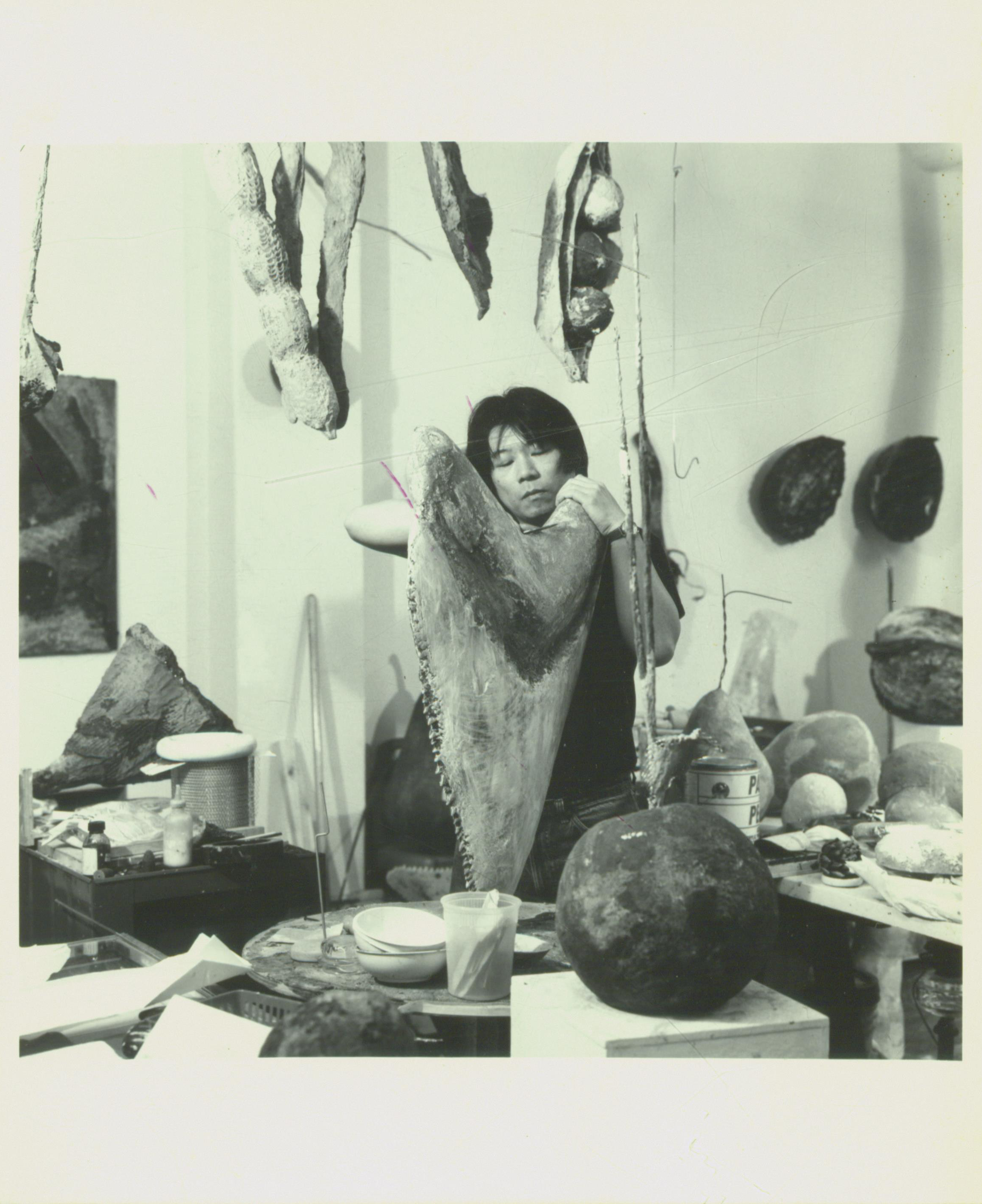
Make it stand out
By Sunday, November 15, 2026 at 11:59 p.m. ET, applicants must submit via this google form (TO LINK) a:
Project proposal (1,000 words)
Curriculum vitae (CV)
Proposed budget and justification
Writing sample (10–20 pages)
Applications from graduate students must also include one letter of recommendation from a faculty advisor to be emailed by the recommender to apa.institute@nyu.edu by the application deadline.
Late and/or incomplete applications will not be considered.
Review Criteria
Applications will be evaluated based on:
Scholarly rigor and originality
Planned engagement with the archival materials
Feasibility within the proposed timeframe (research must be conducted between February 1-December 10, 2027)
Contribution to broader art historical, transnational, or Asian diasporic discourse
About the Partnership
The Fellowship is hosted by the Asian/Pacific/American Institute at NYU in collaboration with NYU Fales Library & Special Collections, Asia Art Archive, and The Ming Fay Studio / Estate
This program is supported through funding from the Ming Fay Estate and kurimanzutto.
This partnership creates an integrated research environment linking physical archives, digital resources, and studio-based knowledge.